Workplace Culture Systems
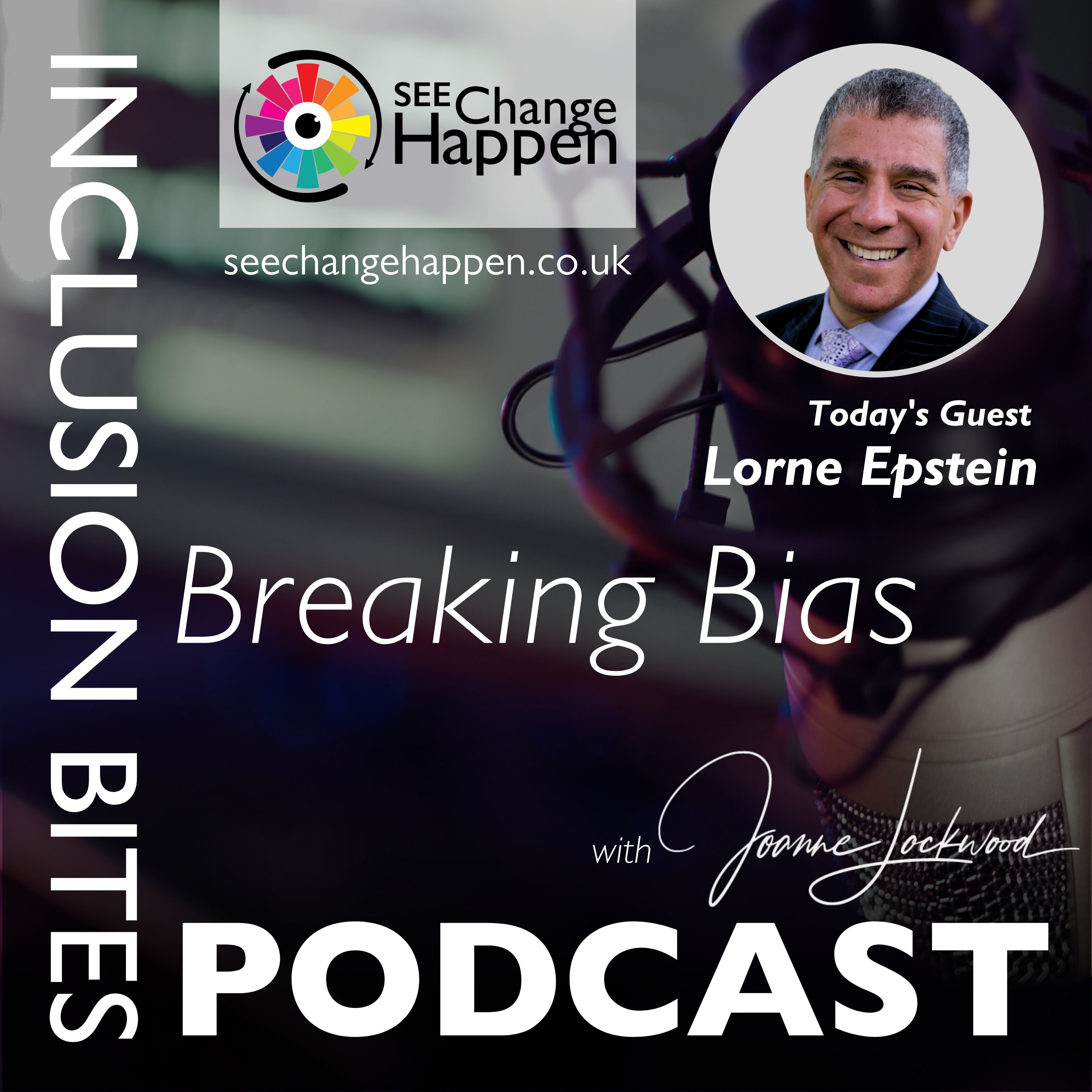
Joanne Lockwood is joined by social scientist and facilitator Lorne Epstein for a wide-ranging conversation about unconscious bias, how our brains fill in gaps, and what it takes to build environments where people feel safe, accepted, and able to contribute.
They explore the relationship between belonging and psychological safety, including how fear of judgement can shut people down and drive defensiveness. Lorne shares practical approaches to interrupting reactive patterns, such as breathing techniques to move from threat response to clearer thinking, and simple team practices to improve high-stakes decisions.
Alongside workplace examples from training and leadership contexts, both share personal stories about failure, fear, and confidence, including lessons about learning, resilience, and redefining what “success” means. The episode closes with a focus on authenticity, continuous learning, and the everyday choices that help reduce bias and strengthen connection.
About Lorne Epstein
One-sentence summary
Lorne Epstein’s work is driven by a quiet, stubborn belief that people are fundamentally good—and that if we slow down enough to notice our own reactions, we can choose belonging over fear.
---
Synopsis
Lorne is not just a social scientist teaching about bias; he is a lifelong learner who has built his life around understanding how humans actually work. From experiential training that finally helped him shed old wounds in his twenties, to late-night study for a master’s in cognitive neuroscience, he has chosen again and again to step towards discomfort rather than avoid it. He speaks openly about failing exams, about shame, about the physical toll of travel and the private doubts that surface when judgement feels close. Beneath the credentials is someone who simply “loves people” and wants them to have better lives. His superpower, as he puts it, is helping professionals “uncover and mitigate their biases” — but the deeper gift is helping people pause before they cause harm.
What he is trying to change is not policy first, but reflex. He wants people to interrupt that split second where judgement hardens, where fear takes over, where the impulse to punish, win or be right overrides curiosity. For Lorne, belonging is not theoretical — it is nervous-system deep. It is the difference between feeling hunted and feeling held. When people do not feel they belong, their bodies react as if a lion is approaching. When they do, creativity opens, contribution flows, and dignity is intact. He is building rooms — virtual and physical — where awareness grows, fear softens, and people remember that most of us want to be loved more than we want to be right.
---
10 Small, digestible concepts for easy learning
1. Bias fills in the blanks before we even realise there were blanks.
Our brains write stories in milliseconds to make sense of the world.
2. Fear feels modern, but it runs on ancient wiring.
The same system that once spotted predators now reacts to social threat.
3. Belonging is a nervous-system state, not a slogan.
If people feel unsafe, they cannot give you their best thinking.
4. You cannot fix people — and they are not broken.
Real change begins with raising your own awareness.
5. Wanting to be right often costs us connection.
The choice is frequently between winning and being loved.
6. Confidence is built, not bestowed.
Start small and stretch your courage gradually.
7. Pause disrupts harm.
A breath can reroute you from reaction to reflection.
8. Your body is part of your decision-making.
Fatigue, hunger and stress shape your judgement more than you think.
9. Failure wakes up old stories.
Shame today often echoes classrooms from long ago.
10. Every human being has a contribution.
When people find their voice, the whole room changes.
---
The “why” in the story
What they believe is true about people
Lorne believes people are fundamentally good. He believes we all want to be cared for, safe, connected — and that beneath ideology and defensiveness, that desire remains intact.
What they cannot unsee
He cannot unsee how quickly judgement arises. The moment in the shop when he caught himself wanting to “punish” a stranger startled him. That flash of harshness — and the ease of it — changed how he sees the human mind.
What they are no longer willing to tolerate
He is no longer willing to let unconscious reactions drive harmful behaviour. He refuses to contribute to a world where being right matters more than being kind.
What they are trying to build instead
He is building awareness — classrooms, workshops and conversations where people learn to pause, question their assumptions, and reconnect with their better selves.
---
Narrative structure
1. The trigger:
Years of experiential learning, and a defining moment catching himself mid-judgement in a pharmacy aisle. Realising how swiftly his mind created a harsh narrative made bias personal, not academic.
2. The tension:
He continually meets resistance — leaders asking him to “fix” biased executives, cultures obsessed with certainty, and the deep human fear of being wrong. He also carries his own old shame: failing a crucial exam brought back echoes of being judged in school.
3. The insight:
Awareness is the intervention. You cannot force someone to change their mind, but you can create a context where they see their thinking clearly. A single breath can shift the brain from fear to reason.
4. The pivot:
Instead of correcting people, he facilitates reflection. Instead of arguing, he raises questions. Instead of trying to win, he recommits to not causing harm.
5. The destination:
A world where people feel safe enough to speak, wrong without humiliation, and different without threat. A workplace that feels less like survival and more like that familiar bar “where everyone knows your name.”
---
Five key takeaways and learning points
1. Your first reaction is information, not instruction.
Noticing your judgement gives you a choice about what to do next.
2. Belonging affects performance at a biological level.
When people feel unsafe, their brain diverts energy away from creativity and towards protection.
3. You don’t need to win every argument.
Letting go of being right strengthens relationships more than proving a point.
4. Failure can be growth disguised as shame.
Old wounds resurface so they can be reworked, not relived.
5. Changing yourself is the most credible way to influence others.
Awareness is contagious when modelled with humility.
---
Ten distinct ideas explained
1. Belonging as safety
When someone feels excluded, their body reacts as if danger is present. Meetings become battlegrounds instead of collaborations.
2. The speed of bias
Our brains complete stories instantly. Without awareness, we mistake assumption for fact.
3. Judgement as protection
Harsh reactions often mask vulnerability. We judge to shield ourselves from perceived threat.
4. The cost of righteousness
When being right matters more than connection, relationships erode quietly over time.
5. Learning as rewiring
Forming new neural pathways is hard work. Growth feels uncomfortable because it is biological effort.
6. Memory and identity
Shame from childhood classrooms can shape adult reluctance to speak up. Systems echo in personal stories.
7. Context over coercion
People change more readily when invited into reflection than when confronted with accusation.
8. The body in leadership
Sleep-deprived, stressed professionals make poorer decisions. Fairness is physiological as well as moral.
9. Small courage before big courage
Singing badly in public, speaking once in a meeting — these micro-acts build resilience.
10. Voice as contribution
When someone feels safe to share their perspective, the system becomes smarter and more humane.
---
How people should change as a result
1. Think
- Move from “They’re wrong” to “What story am I telling?”
- See bias as human wiring, not moral failure — but also not destiny.
- Recognise belonging as essential, not optional.
- Understand that wanting to win may be blocking connection.
- Treat awareness as ongoing practice, not a one-time achievement.
2. Feel
- Shift from defensiveness to curiosity.
- Soften from judgement to empathy.
- Move from shame about mistakes to acceptance of growth.
- Replace fear of being wrong with openness to learning.
- Trade cynicism for cautious hope in people.
3. Act
- Pause and inhale for four counts before responding in tension.
- Ask yourself, “What do I actually know?” before forming conclusions.
- Begin important meetings with a brief personal check-in.
- Create explicit space for dissent without ridicule.
- Model admitting when you are wrong.
- Ensure people have adequate time, rest and clarity before major decisions.
- Start one small act each week that nudges you just beyond your comfort zone.
---
One thing to remember
Most people want to be loved more than they want to be right — act accordingly.