Creating Inclusive Work Environments For People With Intellectual Disabilities
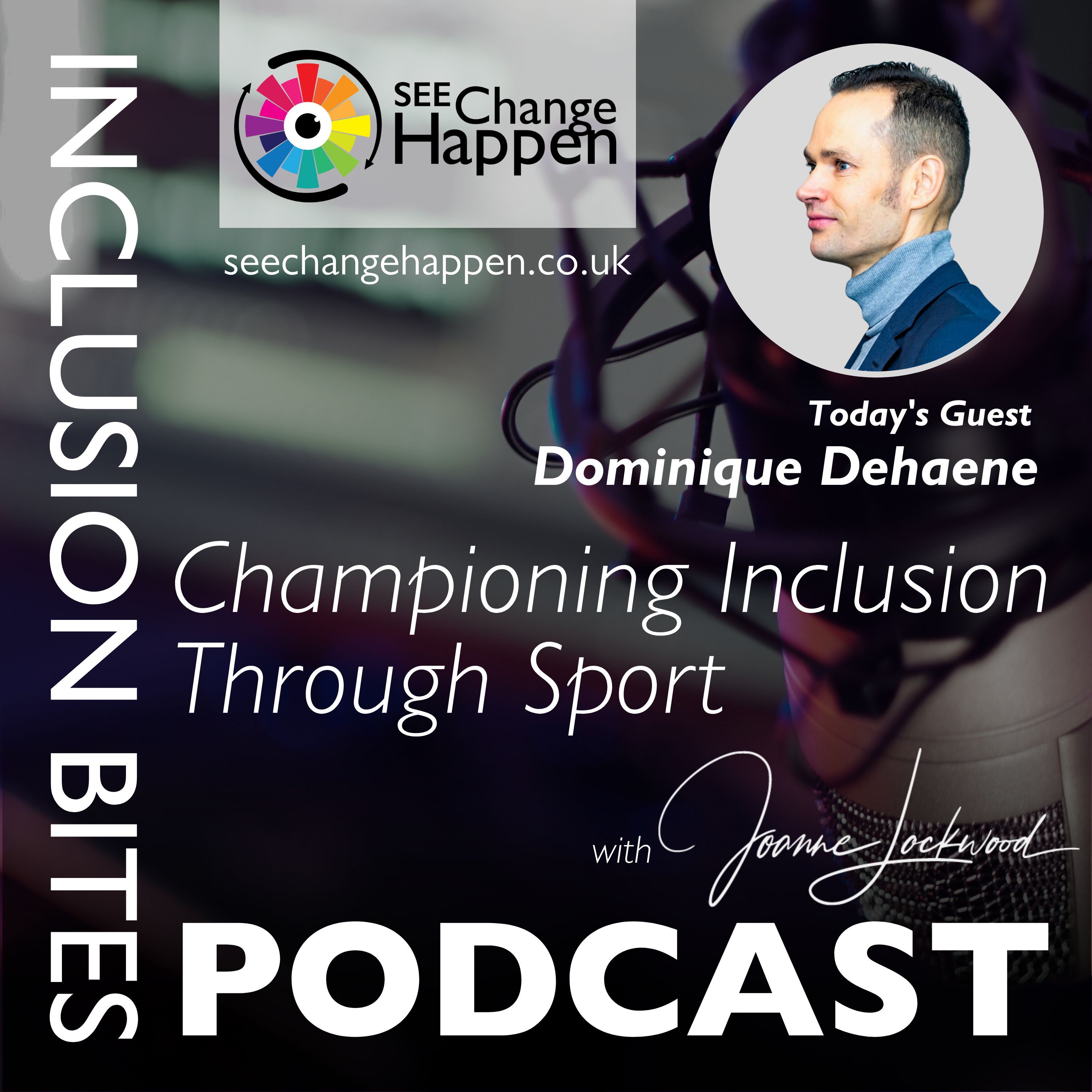
with Dominique Dehaene · 06 February 2025
Workplace Culture Systems
Joanne Lockwood speaks with Dominique Dehaene, National Director of Special Olympics Belgium, about how sport can be a practical gateway to fuller inclusion for people with intellectual and developmental disabilities (IDD). Dominique explains what is meant by IDD and why Special Olympics focuses on talent, opportunity, and competition rather than pity or lowered expectations.
They explore how unified sport can build confidence, communication, and social connection, and how those gains can carry into everyday life, including education and employment. The conversation also challenges common assumptions about capability, addresses the fear many people feel about “getting inclusion wrong,” and argues for learning through good intent, accountability, and trying again.
Dominique brings personal perspective as a father of a son with autism, sharing what openness, support networks, and purpose can look like in practice. They also discuss health inequities for people with IDD and how targeted screening and better professional training can remove barriers. The episode closes with a call to create environments where people with IDD are treated as full participants in communities, workplaces, and society.
About Dominique Dehaene
One-sentence summary
Dominique Dehaene’s message is simple but fierce: if we dare to look beyond labels and limits, people with intellectual disabilities will show us not just what they can do — but who we could become.
---
Synopsis
Dominique is many things at once: a national director, a former politician, a distance runner, a father who questions himself, and a man who once pushed his own body into anorexia through perfectionism. But it is fatherhood that quietly reordered his life. When his first-born son was diagnosed with autism, it was not an abstract policy issue — it was personal, immediate, unavoidable. “Without my autism, I would not be myself,” his son once said. Dominique took that seriously. He and his wife chose openness over secrecy, possibility over protection, and learned to look for talent before limitation.
What Dominique is trying to change is not just access to sport, but the way we see. He refuses the soft, patronising smile that says “how sweet” and instead insists on real competition, real disappointment, real triumph. He believes people with intellectual disabilities deserve medals they’ve earned, jobs that matter, and futures not built on assumptions about what they cannot do. Beneath all of it sits a pressing truth: parents lie awake wondering who will care for their child when they are gone. Inclusion, for him, is not a slogan — it is preparation for a lifetime of dignity.
---
10 Small, digestible concepts for easy learning
1. Don’t decide someone’s limits before they reach them.
Assumptions shrink lives faster than disabilities ever could.
2. Everyone needs something to strive for.
Competition, purpose and growth are human needs — not privileges.
3. Confidence is built, not gifted.
Sport becomes a rehearsal space for courage in the rest of life.
4. Inclusion isn’t kindness — it’s fairness.
People don’t need pity; they need opportunity.
5. Divisioning isn’t segregation — it’s equity.
Fair competition honours effort and keeps dignity intact.
6. Openness dissolves shame.
Talking honestly about meltdowns, stress and fear makes room for connection.
7. Overthinking is often the real barrier.
Fear of getting it wrong stops people from simple human kindness.
8. Health inequality hides in plain sight.
The wrong shoe size or no glasses can quietly limit an entire life.
9. Purpose protects wellbeing.
Work — paid or voluntary — anchors identity and self-worth.
10. Try first. Adjust later.
Progress starts with movement, not perfection.
---
The “why” in the story
What they believe is true about people
Dominique believes people are more than their diagnosis. He believes most limits are tested too late or not at all, and that dignity grows when people are trusted to try.
What they cannot unsee
He cannot unsee the transformation: the shy athlete giving interviews; his anxious son catching the bus despite social fear; the older volunteer who once felt afraid and now gives high fives without hesitation.
What they are no longer willing to tolerate
He will not tolerate patronising inclusion — the kind that applauds participation but avoids real standards. Nor will he tolerate a society that quietly sidelines people from work, health care, or visibility because supporting them feels inconvenient.
What they are trying to build instead
A society where people with intellectual disabilities are expected to compete, to work, to contribute, to fail and succeed like anyone else — and where support is ordinary, not exceptional.
---
Narrative structure
1. The trigger:
His son’s diagnosis. The unexpected arrival of autism into his family. The dawning realisation that you cannot hide from difference when it sits at your dinner table.
2. The tension:
Fear — his own and society’s. Employers reluctant to hire. Systems built for “normal”. Parents worrying about the day they are no longer alive to advocate.
3. The insight:
Sport changes more than muscles. When someone trains, competes, wins or loses, they grow in courage — and the world watches them differently.
4. The pivot:
Dominique chose openness. He stopped framing disability as fragility. He committed to showing capability publicly — through competition, health programmes, schools and community.
5. The destination:
A future where a person with intellectual disabilities is simply seen as a person: teammate, colleague, neighbour — someone aiming to be the best version of themselves, and allowed to be content when they get there.
---
Five key takeaways and learning points
1. Striving matters more than safeguarding from disappointment.
Shielding people from failure also shields them from pride, growth and real self-belief.
2. Fear of doing the wrong thing is often just ego.
When you act with good intent and humility, connection outweighs embarrassment.
3. Purpose is preventative care for the soul.
Having somewhere to go, people to see and goals to meet protects mental health.
4. Equity requires adjustment, not exception.
Fairness sometimes looks like different categories, extra explanation or tailored support.
5. Inclusion is intergenerational.
Parents aren’t just asking about today — they are asking who will stand beside their child when they are gone.
---
Ten distinct ideas explained
1. Competition as dignity
Real medals, real rankings, real disappointment — this signals respect, not sentimentality.
2. Visible vs invisible disability
When someone “looks typical”, their needs are often doubted, which doubles their struggle.
3. Health access gaps
Ill-fitting shoes, undiagnosed vision problems — small oversights can quietly erode confidence and capability.
4. Authenticity over performance
Dominique learned that being open about challenges — from meltdowns to anorexia — frees others to admit their own.
5. The burden on families
Care is love, but it can also be exhausting. Support networks determine sustainability.
6. The tyranny of expectation
Society defines “normal achievement”, yet most of us fall short of some imagined ideal.
7. Learning from difference
His son’s instinct to wish strangers a good meal disrupted norms — and revealed warmth we’ve forgotten.
8. Growth through discomfort
Taking the bus despite anxiety was not small — it was resilience in action.
9. Inclusion begins in childhood
Young children often see difference without fear; adults relearn openness.
10. Enough is enough
Striving is healthy, but relentless ambition without contentment erodes joy.
---
How people should change as a result
1. Think
- Shift from “What can’t they do?” to “What might they surprise me with?”
- Replace “special treatment” with “fair adjustment”.
- See employment as contribution, not charity.
- Recognise that dependency fears sit at the heart of many parental worries.
- Understand that capability grows when opportunity exists.
2. Feel
- Move from awkwardness to curiosity.
- From patronising sympathy to genuine respect.
- From fear of error to willingness to try.
- From superiority to humility.
- From discomfort about difference to appreciation of perspective.
3. Act
- Offer interviews and job trials with practical adjustments built in.
- Ask directly: “What would help you do your best work?”
- Check accessibility in simple areas — instructions, environment, supervision.
- Encourage inclusive sports or community activities in local schools.
- Celebrate effort publicly, not just outcomes.
- Build succession plans that don’t leave families fearing the future.
- Create spaces where talking about stress or difference is normal, not brave.
---
One thing to remember
Inclusion isn’t about lowering the bar — it’s about letting everyone reach it in their own way.