How Good Humour Can Be Used To Nurture Inclusive Cultures
with Jeremy Nicholas · 13 June 2020
Workplace Culture Systems
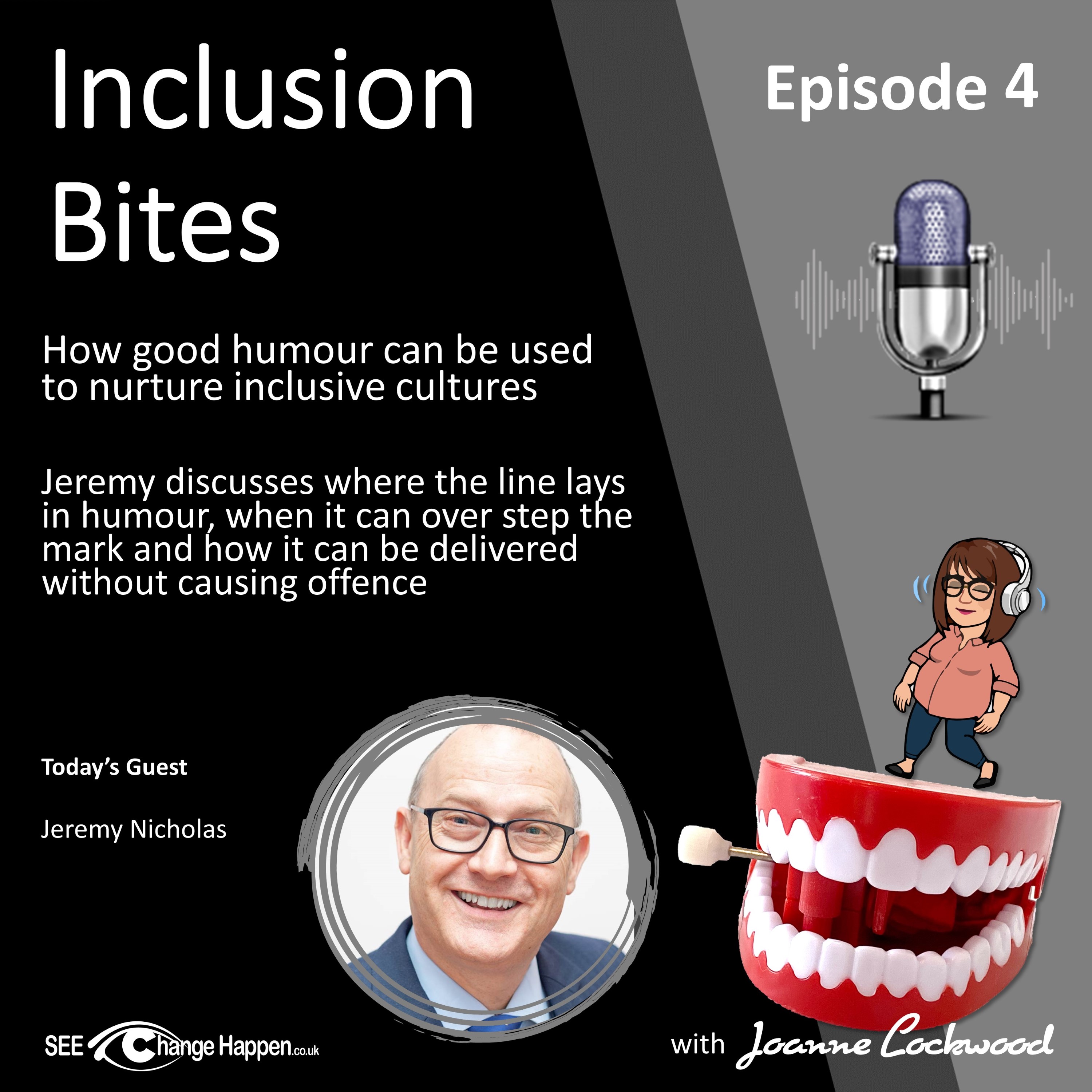
Joanne Lockwood speaks with keynote speaker and former BBC broadcaster Jeremy Nicholas about how humour can help people connect and feel included at work. They explore why shared laughter builds rapport, how humour can quickly reduce tension, and why people sometimes hold back their lighter side in professional settings.
Jeremy explains the difference between laughing with people and laughing at them, and how context, relationship, and audience all shape whether a joke lands well or causes harm. He shares examples of how the same line can be received very differently in different rooms, and offers practical guidance on avoiding cruelty, making yourself the safest target when using humour, and being cautious when improvising.
The conversation also touches on humour as a coping tool during stressful times, and the role of skilled event MCs in setting tone, building energy, and helping speakers succeed. Throughout, the focus stays on using humour thoughtfully to nurture belonging while reducing the risk of exclusion or offence.
About Jeremy Nicholas
One-sentence summary
Jeremy Nicholas believes that humour, when used with care and humility, can soften fear, dissolve distance and remind people that they belong with one another rather than against one another.
---
Synopsis
Jeremy Nicholas is, at heart, a storyteller who learned his craft in newsrooms before ever stepping onto a stage to make people laugh. He speaks about humour not as a party trick, but as something deeply human – “like seeing the world in colour”. He has spent years watching rooms closely: noticing the folded arms, the tight shoulders, the one person in the front row who looks unimpressed. He knows what it feels like to doubt himself mid‑sentence, to wonder whether he is “not funny anymore”, and to keep going anyway. Beneath the confidence of an MC or performer sits someone thoughtful about impact, someone who “doesn’t ever want anyone in the room to feel threatened”.
What he is trying to change is the way we use laughter. He refuses cruel humour. He refuses easy targets. He will only laugh at a group he belongs to, making himself “the butt of the joke” rather than creating an outsider to mock. For him, the difference between laughing with and laughing at is everything. When humour is grounded in shared truth and pain, it bonds people; when it punches down, it divides. What’s at stake is dignity — whether someone leaves a room feeling part of it or quietly diminished.
---
10 Small, digestible concepts for easy learning
1. People who laugh together stay together.
Shared laughter creates memory and bond in ways facts alone never can.
2. Humour is colour in a black-and-white world.
It doesn’t replace seriousness; it makes it bearable.
3. Never make someone feel threatened for a laugh.
If someone’s dignity is the cost, it isn’t worth it.
4. Laugh with, not at.
Belonging grows when people recognise themselves in the joke.
5. Make yourself the outsider before you make someone else one.
Self-deprecation disarms; accusation divides.
6. Context is everything.
The same joke can heal in one room and harm in another.
7. Truth plus pain equals comedy.
What annoys us and what hurts us, shared safely, becomes connection.
8. One folded pair of arms can hijack your confidence.
Don’t let the single grumpy face define the whole room.
9. Insecurity is part of the craft.
Even experienced performers question themselves — and carry on.
10. Humour is icing, not the cake.
The message matters most; laughter helps it land.
---
The “why” in the story
What they believe is true about people
Jeremy believes people want to relax, to connect, to feel at ease in one another’s company. He believes laughter is a natural release of tension — a human reflex that signals safety.
What they cannot unsee
He cannot unsee the damage caused by cruel humour — the way a joke can instantly create an “other”, especially when someone already feels like an outsider.
What they are no longer willing to tolerate
He is unwilling to use humour that targets vulnerability. He refuses to build rapport by picking on a group that is not his own.
What they are trying to build instead
Spaces where stories come first, where laughter oils the wheels of learning, and where no one feels diminished in the process.
---
Narrative structure
1. The trigger:
Years of performing in different towns, noticing he is “funny” in some places and not in others, taught him that audiences aren’t abstract — they have identities, loyalties, sensitivities. Seeing how the same joke lands differently hardened his respect for context.
2. The tension:
He faces rooms that may not warm to him. He wrestles with insecurity. He knows that going “off script” can reveal an unfiltered thought that harms trust. He sees how easily humour slips from bonding to bullying.
3. The insight:
The line between connection and cruelty is intent plus context. “Are you laughing with or at?” That question matters more than the punchline.
4. The pivot:
He chooses to make himself the joke. He centres story and learning first, humour second. He checks material, avoids riffing into unfiltered territory, and holds dignity above a cheap laugh.
5. The destination:
Rooms where shoulders drop. Where people exhale. Where difficult subjects can be spoken aloud because laughter has made it safe enough to stay.
---
Five key takeaways and learning points
1. Humour reveals who we think belongs.
So what: Examine your jokes — are they welcoming someone in or pushing someone out?
2. Context changes impact.
So what: What works among close peers may wound in a wider audience — pause before you repeat it.
3. Your insecurity is normal — don’t silence yourself because of one face.
So what: Don’t let fear of disapproval stop you building connection.
4. Self-awareness protects dignity.
So what: Filter spontaneity; good intent needs thoughtful delivery.
5. Shared irritation can create solidarity.
So what: Naming common frustrations can shrink big problems and remind people they are not alone.
---
Ten distinct ideas explained
1. Belonging is built in small moments.
A shared laugh at something ordinary can create warmth that formal statements never achieve.
2. Exclusion often hides in banter.
Calling something “just a joke” doesn’t undo the sting for the person targeted.
3. Outsider status is felt quickly.
Accents, geography, and identity shift whether someone is received warmly or held at arm’s length.
4. Self-deprecation lowers defences.
When a speaker pokes fun at themselves, they reduce hierarchy and signal safety.
5. Cruel humour erodes trust.
People may laugh publicly but withdraw privately.
6. Language carries emotional history.
Words used carelessly can summon past harm, even if no offence was intended.
7. Pressure needs release.
Laughter is often the body’s way of letting tension out after naming something hard.
8. Validation matters more than volume.
One genuine smile can anchor a speaker more than forced applause.
9. Energy is contagious.
A skilled facilitator nurtures collective warmth, not just transitions.
10. Humour can hold pain safely.
When someone shares their lived experience with wit, it can invite empathy without pity.
---
How people should change as a result
1. Think
- Ask yourself: who is the butt of this joke?
- Remember that not everyone shares your cultural reference points.
- See humour as relational, not transactional.
- Treat laughter as an indicator of safety, not just success.
2. Feel
- Move from defensiveness to curiosity about impact.
- Shift from craving approval to valuing connection.
- Replace cynicism with compassion about what others carry.
- Feel responsible for the tone you help create.
3. Act
- Before using humour, sanity-check it with someone from a different background.
- Use self-deprecating humour rather than targeting others.
- Name shared frustrations that cut across difference.
- If a joke lands badly, acknowledge it and reset.
- Build in intentional moments of warmth in meetings — not forced fun, but human pause.
- Notice who isn’t laughing and check in privately, not defensively.
---
One thing to remember
The safest laugh is the one that leaves everyone standing a little closer together.