Inclusive Leadership Management
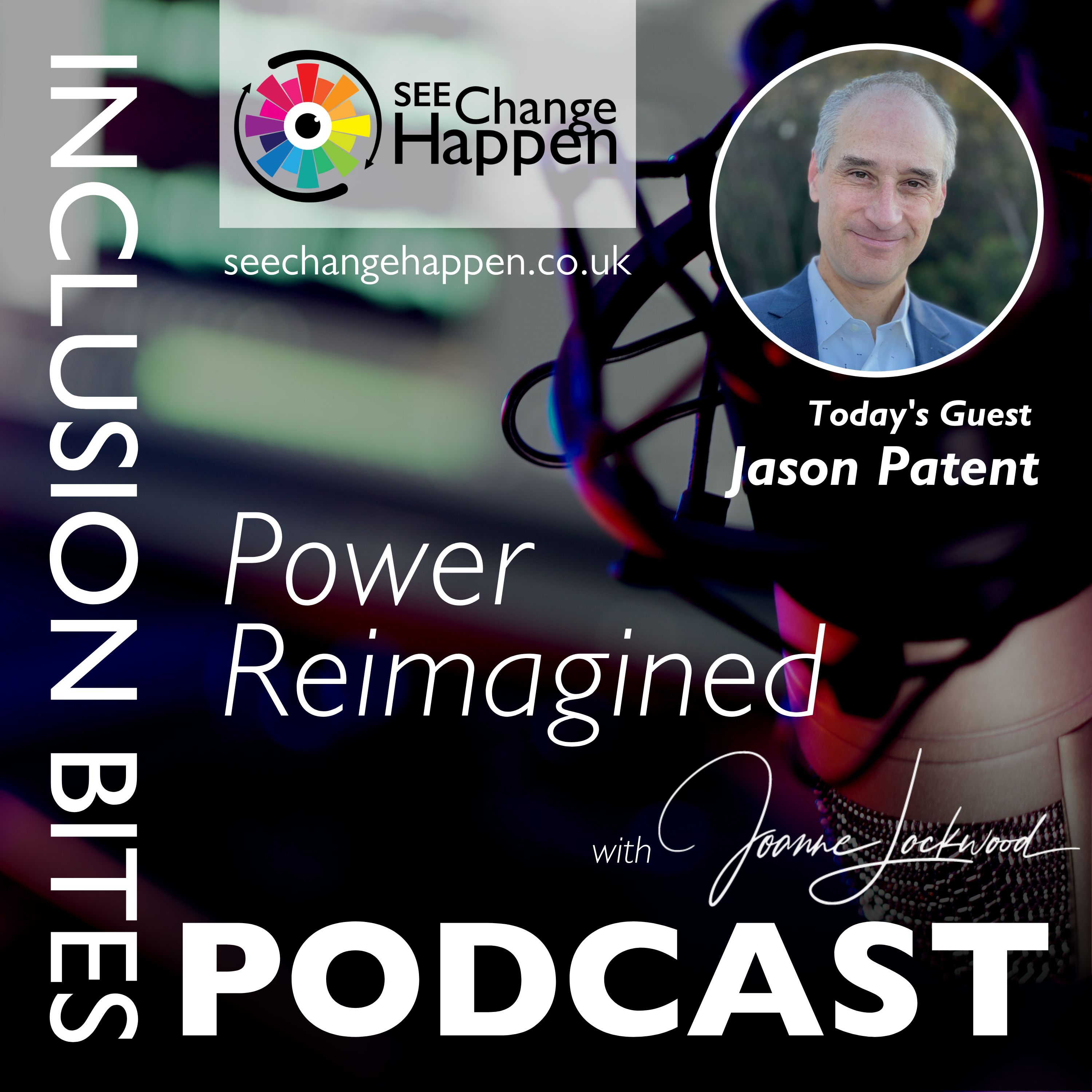
Joanne Lockwood is joined by global leadership and DEI consultant Jason Patten to examine why conversations about power and privilege so often stall, and what it takes to make them constructive. They unpack how myths of meritocracy, defensiveness, and fear of loss can prevent people from recognising the systems that distribute power unevenly.
Drawing on intercultural leadership, Jason shares practical tools for focusing on behaviours (like communication styles) as an entry point into harder discussions about identity and inequity. Through a workplace story about mismatched communication preferences, the pair explore “bridging” as a skill—especially the responsibility of those with greater power and privilege to adapt, build trust, and create conditions where others can contribute without masking or code-switching.
The conversation widens to include how social constructs shape in‑group/out‑group thinking, why change can feel painfully slow, and how leaders can still act meaningfully within their spheres of influence. Jason also references his book, Humanly Possible: A New Model of Leadership for a More Inclusive World, as a framework for turning awareness of power into everyday inclusive leadership practices.
About Jason Patent
One-sentence summary
Jason Patent believes that if those with power don’t learn to soften their grip and build bridges instead, people will continue to suffer unnecessarily — and that is something he can no longer quietly live with.
---
Synopsis
Jason Patent speaks with the steadiness of someone who has wrestled with himself. A cisgender, heterosexual, able-bodied white man raised in the United States, he is clear-eyed about the fact that the world was largely built for people like him. That awareness did not arrive comfortably. He talks about feeling his own “bristling” reactions when long-held beliefs were challenged. He knows the flicker of defensiveness. He knows the fear of losing status. Rather than denying those instincts, he studies them. He sees the human brain as both powerful and limited — wired for survival on a savannah, not for collaboration in diverse workplaces. His work is grounded in his own mistakes, his own discomfort, and his decision to grow instead of retreat.
What Jason is trying to change is not simply policy — it is posture. He wants people with more power to stop expecting others to adapt first. He wants them to notice the ways they benefit from systems they did not create but still uphold. He refuses the idea that good intentions are enough. “People are suffering and dying now,” he says plainly. That truth sits heavily with him. He is not promising a utopia. He is building something quieter and closer: workplaces where people feel seen, where power moves towards those with less of it, where dignity is not conditional. He believes change may be slow, but within our own spheres of influence, it is always possible.
---
10 Small, digestible concepts for easy learning
1. Power is easiest to see when someone else has it.
When it’s yours, it feels normal — even invisible.
2. Defensiveness is a human reflex, not a moral failure.
What matters is what you do after you notice it.
3. Privilege isn’t a character flaw — it’s a starting position.
The question is how you choose to use it.
4. Your brain was built for survival, not complexity.
Collaboration across difference takes conscious effort.
5. Scarcity thinking makes inclusion feel like loss.
Abundance thinking makes fairness feel possible.
6. Belonging fuels contribution.
People give more when they feel seen.
7. Bridging beats blaming.
Adaptation is a skill — and those with power should practise it most.
8. Trust creates efficiency.
Rushing people can cost more in the long run.
9. You can hold more than one truth at once.
Reality is rarely binary.
10. Change is meaningful even when it’s local.
Influence within one relationship still matters.
---
The “why” in the story
What he believes is true about people
Humans are wired for fear and in-groups, but also capable of extraordinary growth when we understand our limitations.
What he cannot unsee
That systems distribute power unevenly — and that those at the margins endure daily indignities simply to survive.
What he is no longer willing to tolerate
The expectation that those with less power must always adapt, code-switch, and carry the emotional cost.
What he is trying to build instead
A culture where people with more power move first — where adaptation flows downward, and belonging becomes ordinary.
---
Narrative structure
1. The trigger:
Repeated moments of internal discomfort — noticing himself “bristling” when challenged, realising he benefited from systems he had never questioned. A pivotal moment came when a colleague caught him looking at his watch while she spoke — a small gesture that revealed a larger imbalance.
2. The tension:
The fear many feel that inclusion threatens their identity. The scarcity mindset whispering that if someone else rises, he must fall. The slow pace of change. The vastness of systemic injustice.
3. The insight:
Defensiveness is biological, not proof of being “a bad person”. Understanding our wiring frees us to respond with compassion — towards ourselves and others. Power, reimagined, means using it to bridge.
4. The pivot:
He stopped expecting others to assimilate. He began consciously adapting — listening longer, holding multiple truths, pausing before reacting. He turned his attention from abstract debate to daily behaviours.
5. The destination:
Not a perfect world, but one where fewer people suffer needless harm. Where dignity is common. Where having power feels like responsibility, not entitlement.
---
Five key takeaways and learning points
1. You are shaped by the systems you live in — but not trapped by them.
So what: Awareness opens choice; choice opens change.
2. Feeling defensive does not make you wrong — refusing reflection does.
So what: Growth starts the moment you pause instead of push back.
3. Inclusion is not about moral perfection; it is about behavioural adjustment.
So what: Small shifts in how you communicate can transform trust.
4. Those with greater power must carry more of the bridging work.
So what: Fairness isn’t symmetrical effort; it’s responsible effort.
5. Even limited influence counts.
So what: Change within your team, your family, your circle still reduces harm.
---
Ten distinct ideas explained
1. Systemic bias lives in ordinary habits.
It’s in who gets interrupted, who adapts, who explains themselves twice. When unseen, it quietly drains dignity.
2. Code-switching has a cost.
Constant self-editing erodes confidence and belonging.
3. Power shapes communication norms.
Directness, speed, tone — when one style dominates, others contort to fit.
4. Scarcity drives fear-driven leadership.
When everything feels limited, hoarding looks sensible — but it shrinks humanity.
5. Belonging increases contribution.
When people feel safe, creativity and courage expand.
6. Binary thinking simplifies discomfort.
“Right or wrong” thinking protects the ego but blocks deeper understanding.
7. Adaptation is not weakness.
When leaders shift first, they model strength grounded in security.
8. Privilege buffers pain.
It reduces the daily friction others may constantly navigate.
9. Trust grows through attention.
Listening fully — even when inefficient — builds long-term stability.
10. Optimism can be disciplined.
Jason’s hope is not naïve; it rests on effort, skill-building and daily practice.
---
How people should change as a result
1. Think
- Move from “Am I a good person?” to “How am I participating in this system?”
- Shift from scarcity (“If they gain, I lose”) to sufficiency (“Is there enough for us both?”).
- See discomfort as information, not accusation.
- Replace binary thinking with complexity.
- Understand power as responsibility, not entitlement.
2. Feel
- From defensiveness to curiosity.
- From guilt to accountable agency.
- From fear of loss to openness to shared growth.
- From urgency for perfection to patience for progress.
- From cynicism to grounded optimism.
3. Act
- Pause when you feel yourself bristle; name the feeling before responding.
- Notice who adapts most in meetings — and consciously adapt towards them.
- Ask, “What would bridging look like here?” before expecting compliance.
- Listen without checking the clock.
- Share context about your own limitations openly.
- Use your position to protect someone’s dignity in real time.
- Reflect regularly: where did I default to comfort today?
---
One thing to remember
If you have power, the most human thing you can do with it is move it towards someone who has less.