Lived Experience Identity
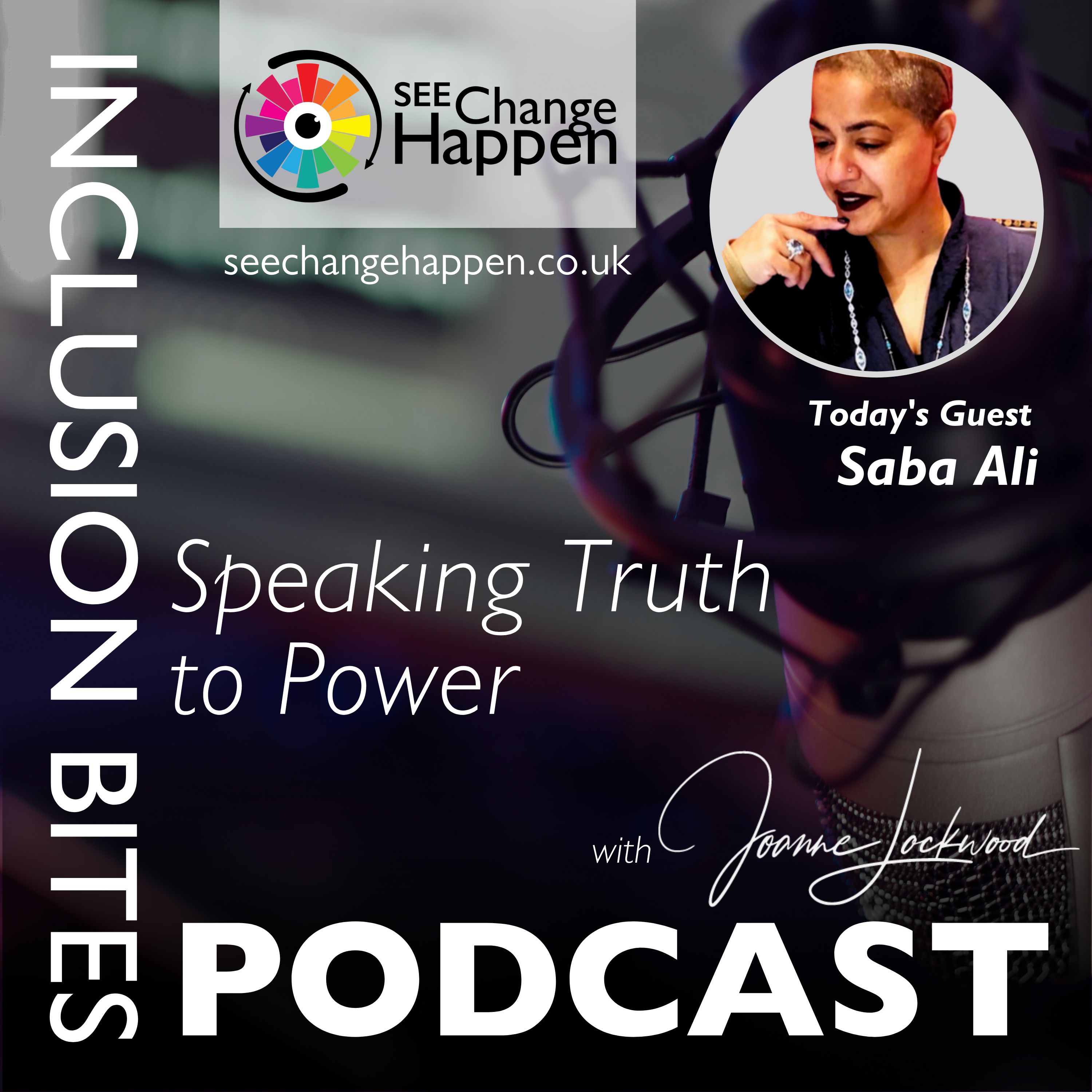
Joanne Lockwood is joined by Saba Ali for a wide-ranging conversation about speaking truth to power and turning advocacy into institutional change.
Saba shares her personal story, including childhood abuse and cultural abuse, periods of homelessness and addiction, and the long-term work of therapy and recovery that helped her reclaim her voice. She reflects on the impact of intersectionality in her life as a queer woman of colour with hidden disabilities, and why being listened to with compassion is often the starting point for change.
The discussion explores allyship in practice, particularly Saba’s work as a critical friend to the criminal justice system. She describes the importance of ensuring diverse representation in advisory spaces and bringing community voices directly into decision-making rooms rather than speaking over people.
Joanne adds her own experiences as a trans woman, including reporting hate crime and the difference empathetic policing can make. Together they discuss trust, safety, community support, and the need for connection and collaboration in challenging times for LGBTQIA+ people and other marginalised groups.
About Saba Ali
One-sentence summary
Saba Ali’s life is a refusal to stay silent — a fierce, compassionate commitment to ensure that no one who has been pushed to the margins has to fight alone.
---
Synopsis (two paragraphs)
Saba Ali’s story begins in silence. As a child growing up in a conservative, faith-centred household, she experienced abuse so profound that she has no memory of her first nine or ten years. “I just lived in fantasy world,” she says, describing a little girl who disappeared into her own mind to survive. There was no safe adult to confide in, no language for what was happening, and no permission to speak. She was ostracised, later homeless, a recovering addict in her twenties, and disowned by her family at one point. She has lived with complex PTSD and trauma-related illness. And yet at 53, she says with quiet pride, “I never thought I’d get to 53.” Decades of therapy and hard work have shaped her into someone who knows the cost of silence — and the power of voice.
Today, Saba channels that hard-earned strength into advocacy across communities: queer South Asian people, women of colour, trans people, those experiencing abuse, those who mistrust the systems meant to protect them. She describes herself as a “defiant woman”, unwilling to be silenced any longer. She enters institutions not to represent herself alone but to carry others with her. “I’m not a community. I’m just an individual,” she says, insisting that lived experience — especially from those directly affected — must be centred. What she is trying to change is simple but radical: she wants people to be listened to. To be treated with dignity. To feel safe enough to report harm. To know that being different should never mean being disposable.
---
10 Small, digestible concepts for easy learning
1. Silence is often survival.
When children cannot escape violence, they escape internally.
2. Trauma does not disappear — it adapts.
It can surface as illness, addiction, or years of feeling unsafe in your own body.
3. Intersectionality isn’t a buzzword — it’s layered reality.
“I tick so many different layers,” she says, and each layer carries its own discrimination.
4. Being heard heals more than being managed.
“Most people… just want to be listened to.”
5. Representation is not one voice speaking for all.
No single person embodies an entire community.
6. Privilege can be repurposed.
Access to rooms of power can become a doorway held open for others.
7. Allyship means stepping aside as well as stepping up.
Sometimes amplification looks like playing someone else’s recorded words.
8. Education prevents harm better than revenge.
Accountability should restore where possible, not simply punish.
9. Chosen family saves lives.
One safe person can halve the weight of despair.
10. Defiance can be gentle and principled.
Refusing to be silenced does not require cruelty — just conviction.
---
The “why” in the story
What they believe is true about people
That people are worthy of dignity simply because they exist — and that most harm deepens when no one listens.
What they cannot unsee
The silence around abuse. The young queer person turned away. The data showing “zero” hate crimes reported when she knows the harm is happening. The way institutions are designed without those most affected in mind.
What they are no longer willing to tolerate
Being told not to speak. Systems that discuss marginalised people without inviting them in. Token representation. The idea that abuse can be justified.
What they are trying to build instead
Spaces where people feel safe enough to report harm. Networks of solidarity. Institutions that reflect the communities they serve. Conversations rooted in compassion rather than fear.
---
Narrative structure
1. The trigger
A childhood of abuse and isolation — combined with the realisation, later in life, that what happened to her “should never have happened.” That it was wrong. That silence protected perpetrators, not children.
2. The tension
Working with institutions that many distrust. Being one of few in rooms dominated by more privileged voices. Carrying the emotional labour of communities while managing her own trauma and health.
3. The insight
Listening changes everything. If people feel heard, they report harm. If they report harm, perpetrators are held accountable. If institutions include diverse voices, policies become safer.
4. The pivot
She chose defiance over retreat. She became a “critical friend” to policing, entered advisory groups, raised missing voices, and checked with communities before speaking. She stopped shrinking. She started amplifying.
5. The destination
A world where a queer child isn’t forced into fantasy to survive. Where trans people can report abuse without fear. Where coming out is celebrated, not mourned. Where dignity is ordinary.
---
Five key takeaways and learning points
1. Your silence once protected you — it does not have to define you.
Survival strategies are valid, but they don’t have to be lifelong prisons.
2. No one voice can represent a whole community.
So create space for many voices, not one polished spokesperson.
3. Trust is built through listening, not authority.
When systems listen first, reporting and safety increase.
4. Chosen family is a lifeline, not a trend.
One safe connection can prevent despair from becoming collapse.
5. Education can be an act of justice.
Helping someone understand harm can stop it happening again.
---
Ten distinct ideas explained
1. Childhood dissociation as protection
When a child “lives in fantasy world”, it signals unbearable reality. Systems must understand trauma responses, not mislabel them.
2. Ostracism as social violence
Being disowned or excluded wounds identity. Belonging is not a luxury — it is psychological safety.
3. Hidden disabilities and layered discrimination
Disabilities that are not visible are often dismissed, intensifying the isolation of trauma survivors.
4. Tokenism versus representation
Panels of similar voices cannot reflect diverse cities. Real representation changes outcomes.
5. Amplification with consent
Bringing recorded voices into rooms respects community and avoids speaking over others.
6. Underreporting as a signal, not a success
“Zero cases” rarely means zero harm — it often means zero trust.
7. Restorative justice as dignity-centred accountability
Correction through learning can prevent harm without destroying lives.
8. Mental health and hate intersect
Hate incidents affect not just safety but self-worth and stability.
9. Celebrating authenticity
Communities often mourn transition rather than celebrating truth — joy is activism too.
10. Defiance rooted in survival
Saying “I will not be that person anymore” is both personal liberation and political resistance.
---
How people should change as a result
1. Think
- Move from “Why are they angry?” to “What happened to them?”
- Replace “zero reports” with “who doesn’t feel safe enough to speak?”
- See intersectionality as lived layering, not theory.
- Understand that allyship includes strategy, not just sentiment.
- Recognise trauma responses without judgement.
2. Feel
- Shift from defensiveness to curiosity.
- From guilt to responsibility.
- From fatigue to solidarity.
- From isolation to mutual care.
- From fear of difference to respect for lived experience.
3. Act
- Ask someone, genuinely, “Do you feel heard?” — and listen.
- In meetings, name who is missing from the room.
- Before speaking for a group, consult someone from it.
- Support grassroots organisations working with marginalised youth.
- Share positive stories of belonging and survival.
- Create small circles of chosen family — informal, regular, safe.
- Choose education over public shaming when harm can be transformed.
---
One thing to remember
No one should have to survive in silence — and if you have a voice, you can use it to make space for someone else’s.